
How to Segregate Waste at Home in Mumbai: A Beginner's Guide
- Home
- Blogs
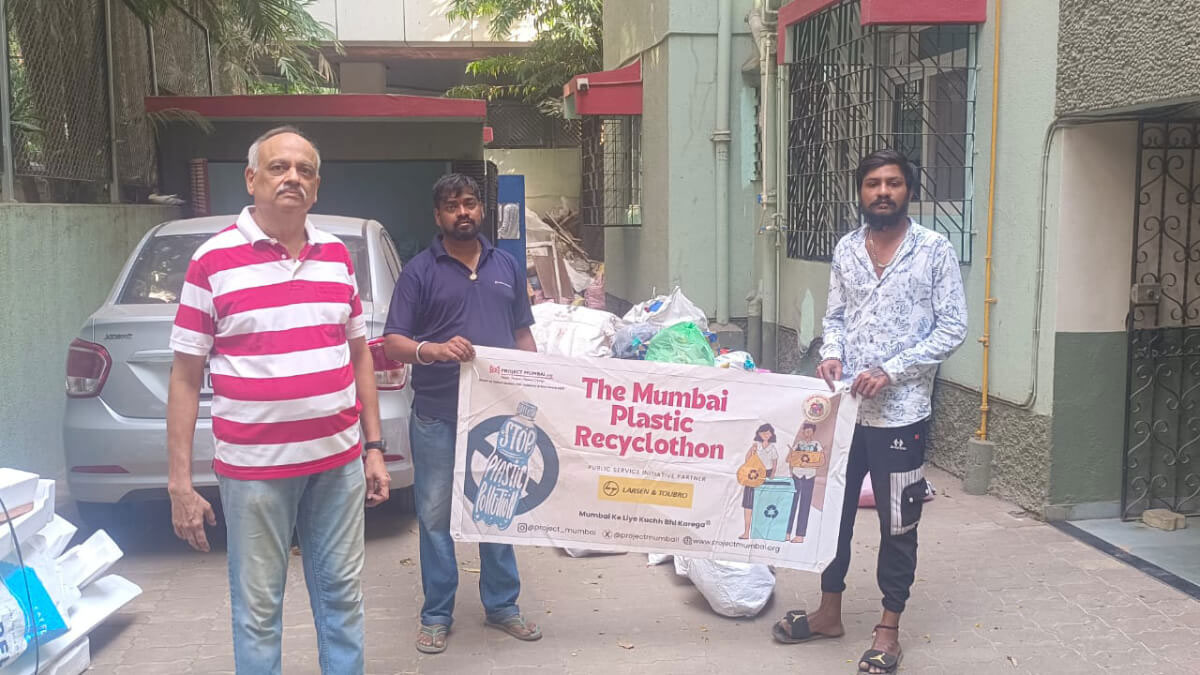
Waste segregation is one of those things that is easier to talk about than to practise in our everyday lives. We know it is important, but does a food-stained pizza box go with paper waste? Where should empty shampoo bottles go? What do we do with plastic wrappers?
In a city like Mumbai, where people generate large quantities of waste every day, responsible waste management starts at home. Learning how to separate the waste often becomes the first step in waste management.
Here’s a beginner’s guide to waste segregation at home
1. Reducing is the first step
- Reduce: You can choose to carry a cloth bag every time you buy vegetables. One simple choice can make so much difference.
- Reuse: Reuse the plastic containers again to avoid adding to the existing pile of plastic waste in our planet.
- Recycle: Ensure recyclable materials are properly segregated and sent to appropriate recycling facilities.
2. Dry & Wet Waste
A. Wet Waste For Your Everyday Kitchen Waste
Wet waste largely includes biodegradable waste generated in the kitchen, such as:
- Vegetable and fruit peels
- Leftover food and food scraps
- Tea leaves and coffee grounds
- Eggshells
- Flowers and leaves
B. Dry Waste For The Materials That Can Be Recycled
Dry waste includes recyclable materials and packaging that we use every day, such as:
- Plastic: PET bottles, shampoo bottles, detergent containers and plastic wrappers.
- Paper: Newspapers, magazines, notebooks and cardboard boxes.
- Metal: Aluminium cans and metal tins.
- Glass: Bottles and jars.
- Other materials: Thermocol and certain types of packaging.
- Empty plastic bottles and containers.
- Rinse off food residue where necessary and let them dry.
- Store it in a clean & dry place.
- Drop them off at The Project Mumbai Reclython collection points.
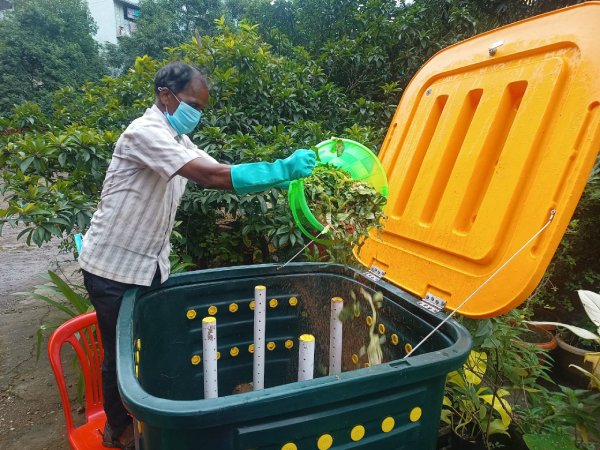
How to set up at home?
Wet Waste Composting Demo
3. Make Waste Segregation a Daily Habit
- Keep two separate, clearly labelled bins for wet and dry waste.
- Segregate waste at source instead of mixing everything into one garbage bag.
- Keep recyclables clean and dry.
- Encourage everyone at home, including family members and domestic staff, to participate.
- Make segregation a daily habit rather than an occasional activity.
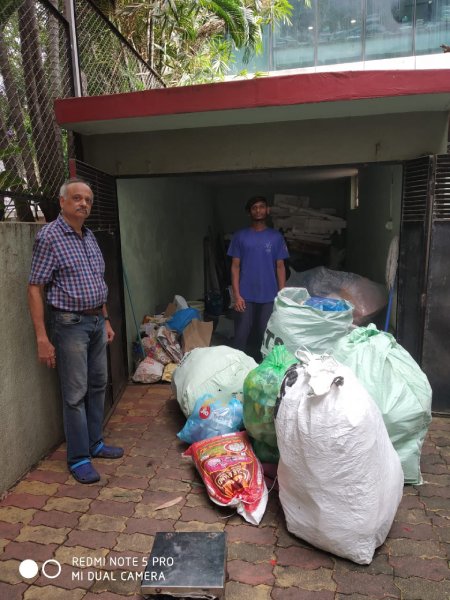
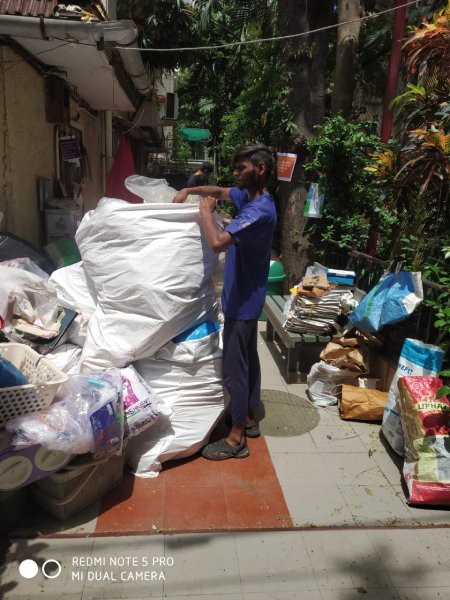
4. Where Can You Drop Off Your Dry Waste in Mumbai?
Small Steps to Make Mumbai Cleaner!
Waste segregation is not just about keeping two dustbins at home. It is about taking responsibility for what we consume and what we throw away. When one person starts segregating waste, it may seem like a small contribution. But when every Mumbaikar do the same, the collective impact can actually save our city.
Ready to get started?
Set up two separate bins at home, encourage your family and neighbours to participate, and bring your clean, dry recyclable waste to your nearest Project Mumbai Recyclothon collection point.
A cleaner Mumbai begins with each of us.