
What Happens to Plastic Waste After You Drop It Off for Recycling?
- Home
- Blogs
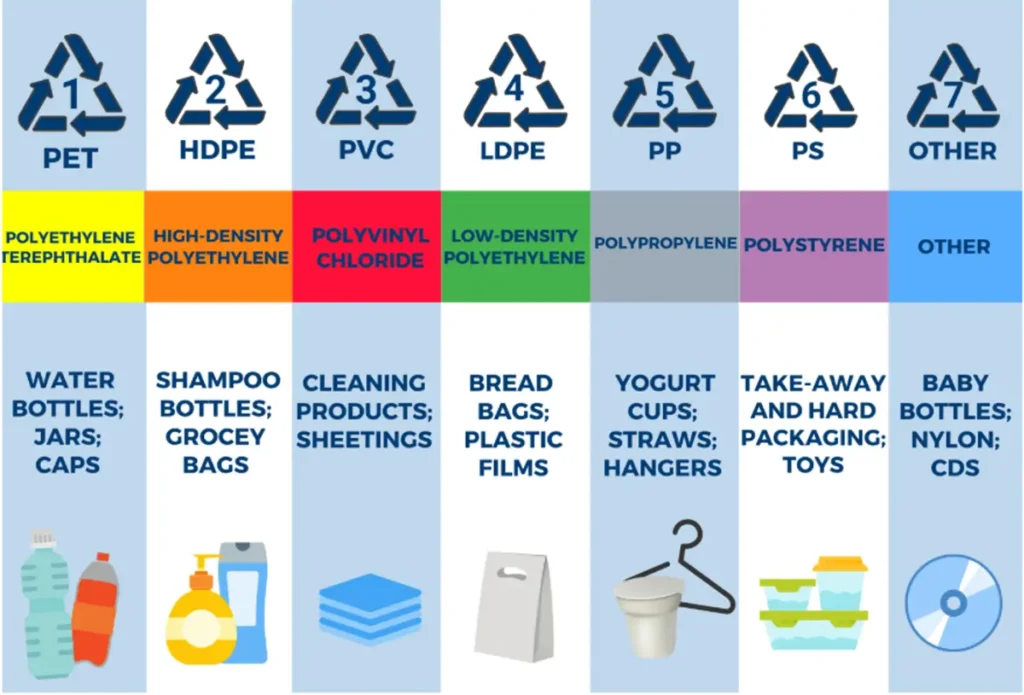
It All Starts with Waste Segregation
Why Is Waste Segregation Such a Big Challenge for Mumbai?
According to Mumbai City, the city has approximately 6,74,339 households. Meanwhile, estimates from municipal waste data indicate that Mumbai generates between 6,514 and 7,500 tonnes of waste daily. At a national level, India generates approximately 1.7 lakh tonnes of municipal solid waste every day. The Brihanmumbai Municipal Corporation (BMC) has deployed hundreds of municipal and outsourced vehicles to collect waste across the city. However, collecting waste and managing it responsibly are two very different things.
With such large volumes of waste being generated every day, segregation at the source becomes essential. If dry and wet waste are mixed, recyclable materials can get contaminated, making their recovery and recycling much more difficult.
This is why individual households, housing societies, schools and businesses have an important role to play. Waste management cannot be the responsibility of municipal authorities alone. It requires all of us to participate.
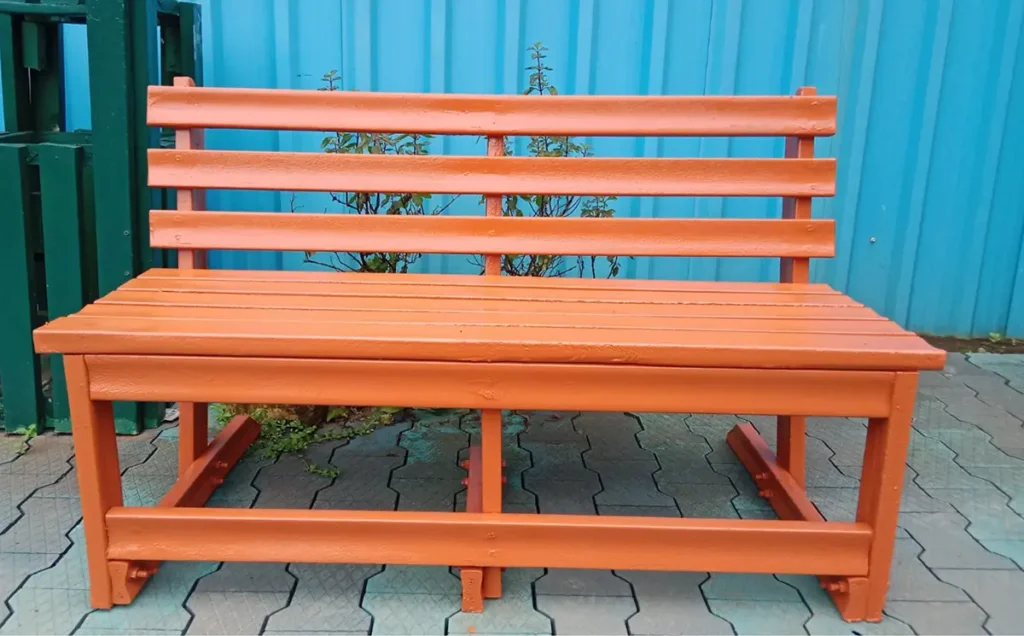
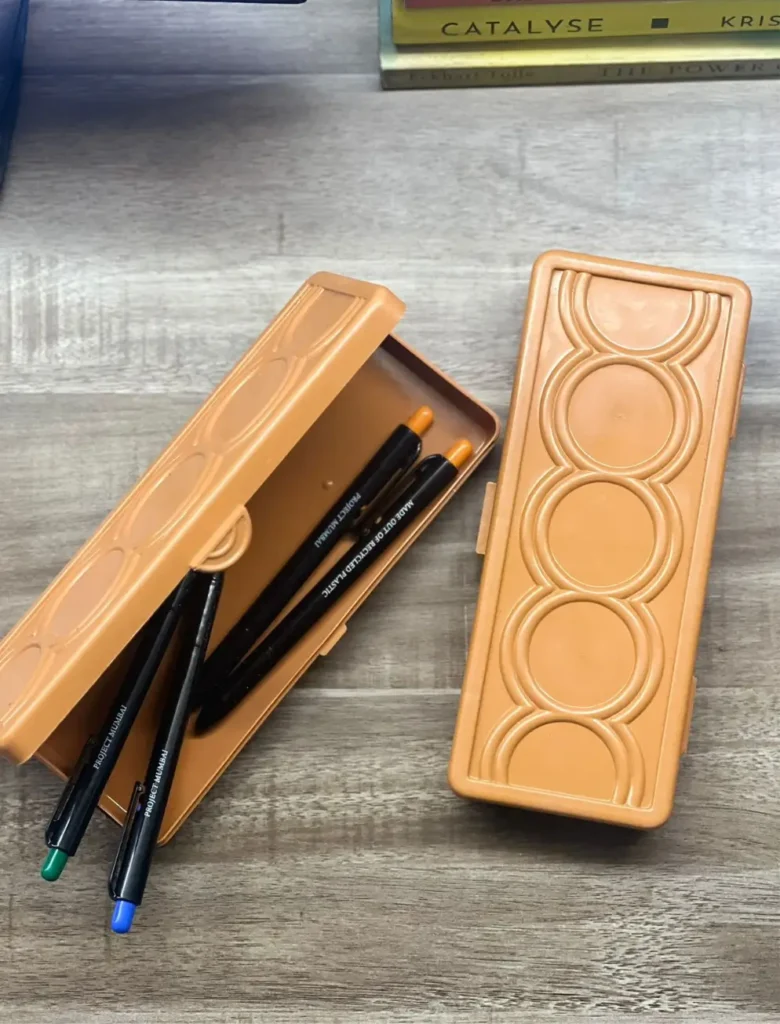
Where Does Project Mumbai's Collected Plastic Go?
The Project Mumbai Recyclothon, an initiative by Project Mumbai, encourages citizens to responsibly dispose of their dry waste, plastic and e-waste through designated collection points spread across Mumbai, along the Western and Central railway lines, and in Navi Mumbai.
These drop-off points are made possible by volunteers who generously open up their homes and housing society premises, allowing fellow citizens to drop off their waste (https://projectmumbai.org/environment/). More than 50 schools have also joined the initiative, encouraging children to participate in responsible waste management from an early age.
Once the waste is collected, the Project Mumbai team transports it to a Material Recovery Facility (MRF). Think of an MRF as a sorting centre where collected waste gets its next direction. Here, different recyclable materials are separated into categories such as paper, aluminium and different types of plastic. Plastic is further sorted based on its composition and whether it can be recycled.
What Happens Inside a Recycling Facility
Once plastic reaches an authorised recycling facility, it goes through several stages before it can become a new product. While the exact process varies depending on the type of plastic (https://plasticsforchange.org/how-is-recycled-plastic-made.html), the standard process used by CPCB-authorised facilities is:
Step 1: Collection and Segregation
Step 2: Cleaning and Shredding
Step 3: Melting and Extrusion
Step 4: Remanufacturing
What About Plastic That Cannot Be Recycled
Have you ever wondered what happens to those chips packet, chocolate wrappers and multilayer packaging that we collect?
These are commonly known as Multi-Layered Plastics (MLPs). They are made using multiple layers of different materials, which makes them difficult to separate and recycle through conventional processes. A significant portion of the flexible plastic collected through beach clean-ups and collection drives consists of such packaging.
Where suitable recycling options are unavailable, certain non-recyclable or low-recyclability plastic fractions may be sent for co-processing in cement factories through authorised channels. In this process, the material is used as an alternative fuel, subject to applicable environmental standards. This is different from recycling plastic into a new product, but it is one of the methods used to manage certain difficult-to-recycle plastic waste streams.
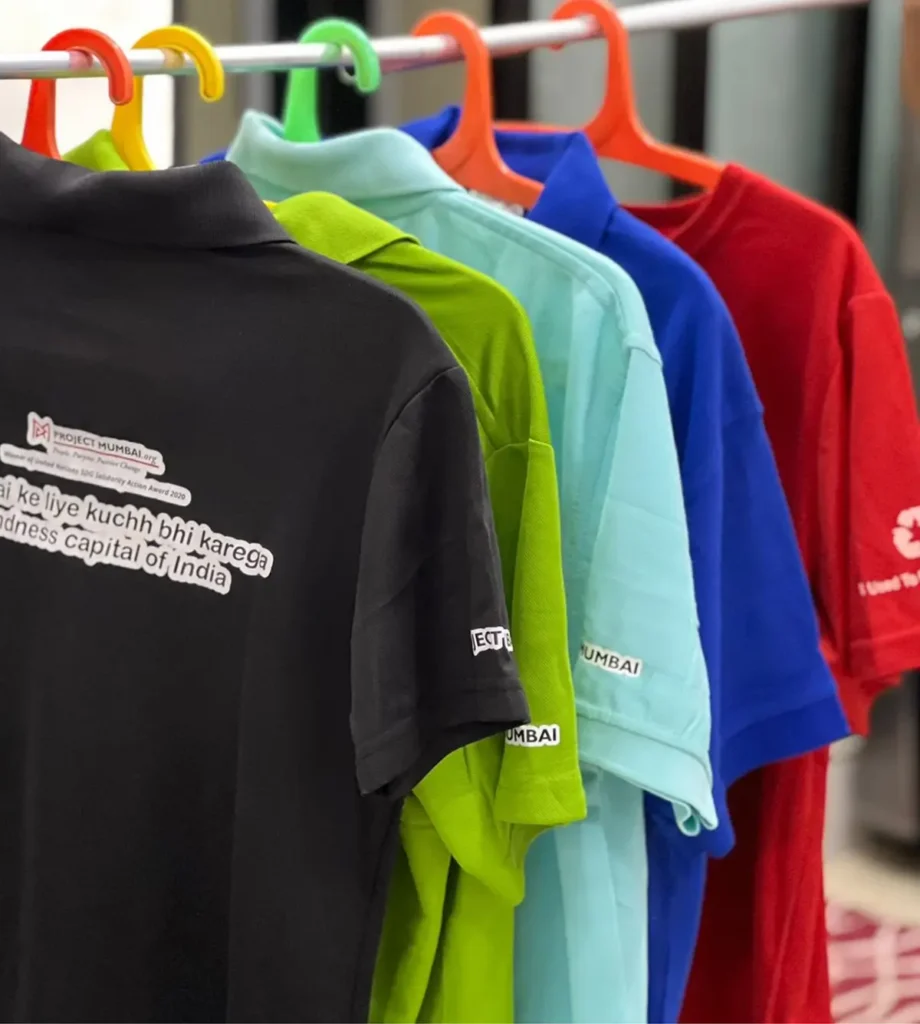
Reimagining a Life Beyond Plastic
Plastic became popular because it was affordable, lightweight, durable and convenient. Over time, it found its way into almost every product we use. But the same product has created a problem that we are now trying to solve. Scientists, researchers and innovators are constantly exploring alternatives to conventional plastic, from biodegradable materials and plant-based packaging to reusable products and innovative recycling technologies.
But as responsible citizens, the question remains as
Can we carry our own bags? Choose products with less packaging? Reuse containers? Segregate waste at home? Make more conscious purchasing decisions?
Small actions may seem insignificant when compared to the scale of the problem, but collectively, they can make a difference.
The Project Mumbai Recyclothon are built on the belief that waste management is a collective responsibility. Every collection point, every participating school, every volunteer and every citizen who takes the effort to segregate their waste contributes to a larger change.
So, the next time you drop off a packet of plastic at a collection point, remember that it is not simply disappearing into a recycling bin. It is entering a larger system of sorting, processing, recovery and, hopefully, reuse.
And that journey begins with you!