Burnout Unplugged: When “Tired” Is More Than Just Tired
- Home
- Blogs
After a long week, a stressful commute, or a missed deadline, we often say, “I’m just tired.” But not all forms of tiredness are the same. Sometimes it’s frustration. Sometimes it’s stress. And sometimes, it’s burnout.
When everything feels overwhelming, we tend to group all emotions together. But understanding what we’re actually experiencing is important because each feeling needs a different kind of care. A bad day does not require the same response as long-term emotional exhaustion.
Think about it:
– Stuck in traffic before an important meeting? → Frustration
– Managing endless deadlines without a break? → Stress
– Feeling emotionally disconnected even after resting? → Burnout
These experiences may look similar on the surface, but they affect us differently. Let us understand the difference between them.
Frustration: The Temporary Roadblock
Frustration usually appears when something blocks our plans in the moment. Maybe the internet crashes before submitting an assignment, or a delay ruins an important schedule.
It often sounds like:
“I tried, but this just isn’t working.”
The important thing about frustration is that it usually fades once the situation changes.
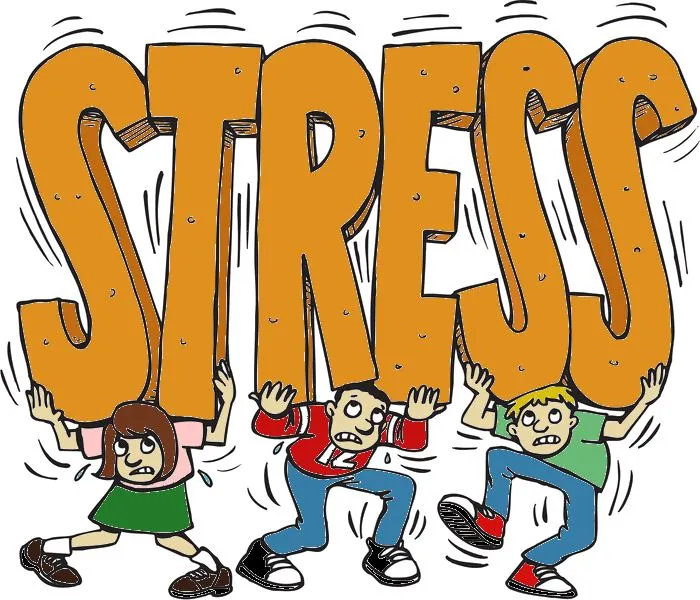
Stress: The Pressure That Builds
Stress develops gradually when responsibilities continue piling up without enough pauses in between. Exams, deadlines, caregiving, work pressure, and expectations can all contribute.
It often sounds like:
“There’s too much to handle.”
Unlike frustration, stress can linger. However, with proper support, rest, structure, and coping strategies, it can still be managed.
Burnout: Exhaustion That Doesn’t Go Away
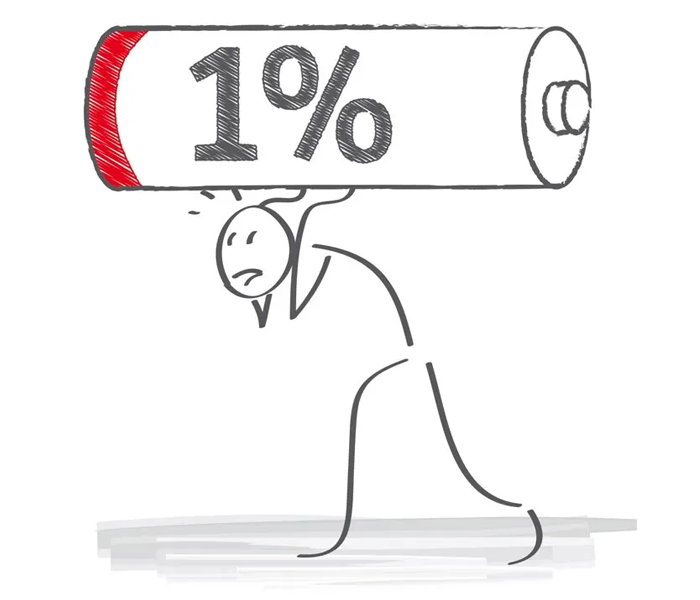
Burnout happens when stress continues for too long without recovery. It’s deeper than simply feeling tired. Even after resting, the exhaustion remains.
It often sounds like:
“I don’t care anymore.”
Burnout can lead to emotional numbness, disconnection, irritability, and loss of motivation. Recovery often requires more than just a weekend break. It needs intentional restoration, support, and lifestyle changes.
Burnout does not look the same for everyone. Here are three examples through a therapist’s lens. Let us look at three cases A, B and C.
A - The Student Who Never Stops Studying
A is a Science student preparing for medical entrance exams, and has been studying continuously for years with very few breaks. Even after board exams ended, entrance preparations immediately restarted.
Over time:
- Studying began to feel mechanical
- Constant comparisons increased self-doubt
- Breaks no longer felt restful
- Motivation slowly disappeared
This reflects academic burnout—emotional exhaustion caused by prolonged pressure without recovery.
B - Between Deadlines and Train Lines
B is a creative professional, who has recently stepped into a leadership role while managing long daily commutes and constant workplace pressure.
The result?
- Chronic exhaustion
- Feeling mentally overloaded
- Desire to “escape everything”
- Difficulty separating work from personal life
This reflects professional burnout, where continuous demands reduce emotional and physical capacity to cope.
C - Always There, Never Seen
C is a homemaker, who spends the entire day managing household tasks and caregiving responsibilities with little acknowledgment or emotional support.
Over time:
- Fatigue remained even after resting
- Irritability increased
- Enjoyment in hobbies reduced
- Thoughts of escape became frequent
Burnout can happen in caregiving roles too. Constant emotional labor without validation can become deeply exhausting.
Burnout Can Affect Relationships Too
Burnout doesn’t only show up in academics or careers. It can quietly affect relationships as well.
For example:
- Newly married couples may struggle while adjusting to changing expectations and routines.
- Long-distance partners may feel emotionally disconnected due to constant effort and limited energy.
Emotional exhaustion can create distance, frustration, and withdrawal. But burnout in relationships does not automatically mean the relationship is failing. Often, it signals a need for rest, communication, and reconnection.
Burnout Is a Signal, Not a Weakness
Burnout can happen to anyone—students, professionals, caregivers, parents, or people simply trying to keep up with constant pressure.
Feeling emotionally drained or unmotivated does not mean someone is weak. It often means they have been carrying too much for too long without enough support. To understand strategies to deal with burnout, read our next blog – Reset Mode On.